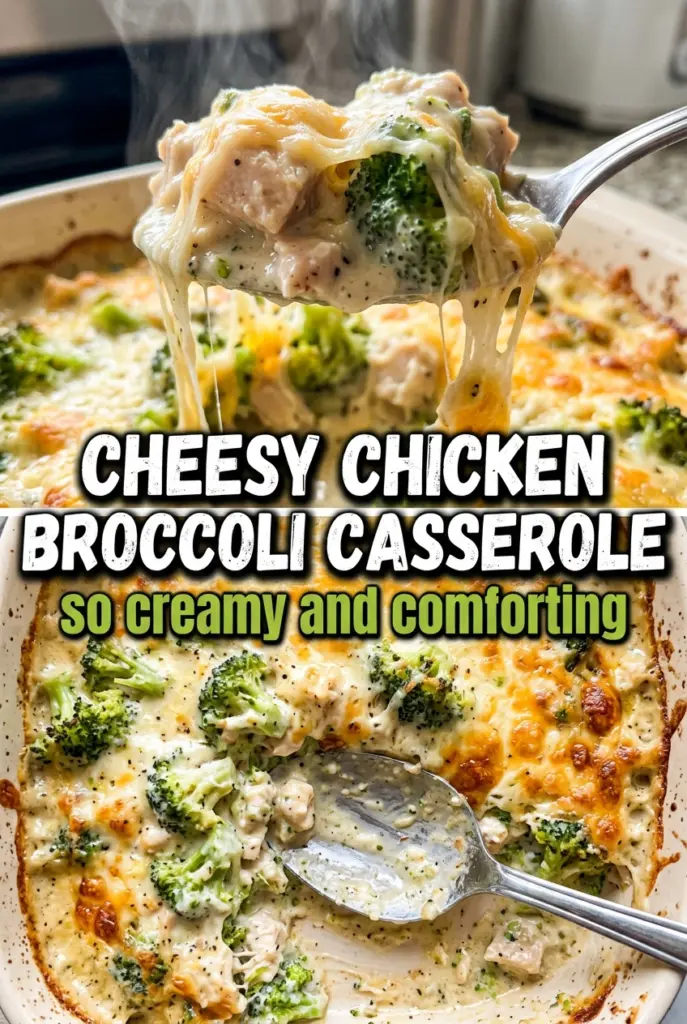
Tender chicken, soft broccoli, and a creamy, cheesy sauce under a buttery cracker topping is the kind of casserole that disappears fast once it hits the table. The chicken stays moist, the broccoli keeps enough structure to give each bite some bite, and the topping turns crisp and golden instead of going soggy like it can in so many baked chicken dishes.
What makes this version work is the balance in the sauce. Cream of chicken soup gives it body, while mayonnaise and sour cream bring richness and a slight tang that keeps the filling from tasting flat. Steaming the broccoli first matters too. Raw broccoli throws off too much water in the oven and can leave the casserole loose, but lightly steamed florets bake up tender without turning mushy.
Below, you’ll find the exact texture cues I look for, plus a few smart swaps if you need to use what you have on hand. The topping, in particular, is worth paying attention to, because the butter-to-cracker ratio is what gives you that crisp finish instead of a dry, dusty layer.
The sauce baked up creamy instead of runny, and the cracker topping stayed crisp even after sitting on the table for a bit. My kids ate the broccoli בלי complaining, which never happens.
Save this Chicken Broccoli Casserole for a creamy, crunchy dinner that bakes up bubbly and comforting in just about 40 minutes.
The Reason This Casserole Stays Creamy Instead of Turning Watery
The main mistake with chicken and broccoli casseroles is moisture. Broccoli holds more water than people expect, and if it goes into the dish raw, that water comes out in the oven and thins the sauce. Steaming it first gives you tender broccoli without flooding the filling.
The other issue is the sauce base. Cream of chicken soup gives structure, but it can taste heavy on its own. Mayo and sour cream loosen it just enough and add a little tang, which keeps the casserole tasting rich instead of dense. That balance is what makes each spoonful creamy without sliding around on the plate.
What Each Ingredient Is Actually Doing in This Dish

- Cooked shredded chicken — This is the backbone of the casserole. Rotisserie chicken works well here because it’s already seasoned and stays tender, but leftover baked or poached chicken works too. Keep the pieces fairly small so the sauce coats evenly and every bite holds together.
- Steamed broccoli florets — Steam them just until bright green and barely tender. If they cook all the way soft before baking, they’ll go mushy in the oven. Frozen broccoli can work in a pinch, but thaw and drain it first so extra water doesn’t loosen the filling.
- Cream of chicken soup — This gives the casserole body and that classic baked-casserole texture. If you use a low-sodium version, the filling will taste a little cleaner and you’ll have more control over the salt. Homemade cream sauce can replace it, but the texture will be looser unless you cook it down first.
- Mayonnaise and sour cream — These are what keep the filling creamy after baking. Mayo adds richness, while sour cream adds tang and keeps the sauce from tasting flat. Full-fat versions give the best texture; reduced-fat versions can work, but the filling will be a little less silky.
- Cheddar cheese — Sharp cheddar gives the filling enough flavor to stand up to the crackers. Pre-shredded cheese is fine, though freshly shredded melts more smoothly because it doesn’t have the anti-caking coating.
- Buttery round crackers and melted butter — This topping is there for crunch, salt, and that toasted buttery finish. Crush the crackers into small pieces, not dust, so you get real texture on top. If the butter is spread unevenly, you’ll end up with dry patches that bake pale and soft.
Building the Casserole So the Topping Stays Crisp
Mix the Filling Until It Looks Even
Combine the chicken, broccoli, soup, mayo, sour cream, cheese, salt, and pepper in a large bowl until everything is coated and the mixture looks creamy throughout. You don’t need to beat it smooth; some texture is good here. The filling should mound slightly when you scoop it, not pour like a loose sauce. If it looks thin before baking, it will usually bake up thin.
Spread It Into the Dish Without Packing It Down
Transfer the mixture to a greased 9×13-inch baking dish and spread it into an even layer. Don’t press it tightly into the corners or compact it with the spoon, because a packed casserole steams instead of baking through evenly. A loose, level layer gives the sauce room to bubble up around the edges.
Build the Cracker Top Right Before Baking
Mix the crushed crackers with the melted butter until every piece looks lightly coated, then scatter them evenly over the casserole. The goal is a damp, sandy look, not puddles of butter at the bottom of the bowl. If the topping is too dry, it turns dusty; if it’s too wet, it bakes into a greasy crust instead of a crisp one.
Bake Until the Edges Bubble
Bake at 375°F for 25 to 30 minutes, until the filling is bubbling around the edges and the topping is deep golden. The casserole is done when the center is hot all the way through and the top feels set, not soft and greasy. Let it rest for 5 minutes before serving so the sauce settles and doesn’t run across the plate.
Three Ways to Adapt This Chicken Broccoli Casserole
Make It Gluten-Free
Use a gluten-free cream of chicken soup and swap the crackers for a gluten-free buttery cracker or crushed gluten-free crisp topping. The texture stays close to the original, but gluten-free crackers often brown faster, so watch the top during the last 5 minutes.
Lighten the Filling Without Losing Creaminess
Swap the mayonnaise for plain Greek yogurt if you want a little less richness. The casserole will taste a bit tangier and slightly less lush, but it still bakes up creamy. Use full-fat yogurt for the best result, since thin yogurt can make the filling loose.
Use Different Cheese for a Stronger Bite
Swap half or all of the cheddar for Colby Jack, Monterey Jack, or a sharper white cheddar. Milder cheeses melt smoothly and keep the casserole kid-friendly, while sharper cheese gives the filling more depth. Just avoid using too much mozzarella, since it can make the casserole stringy instead of creamy.
Storage and Reheating
- Refrigerator: Store covered for up to 4 days. The crackers soften a little in the fridge, but the filling stays creamy.
- Freezer: This freezes well before baking. Assemble the casserole without the cracker topping, wrap tightly, and freeze for up to 2 months. Add the topping right before baking so it stays crisp.
- Reheating: Reheat covered at 325°F until hot, then uncover for the last few minutes to wake up the topping. The usual mistake is blasting it in the microwave, which turns the broccoli soft and the sauce grainy.
Questions I Get Asked About This Recipe
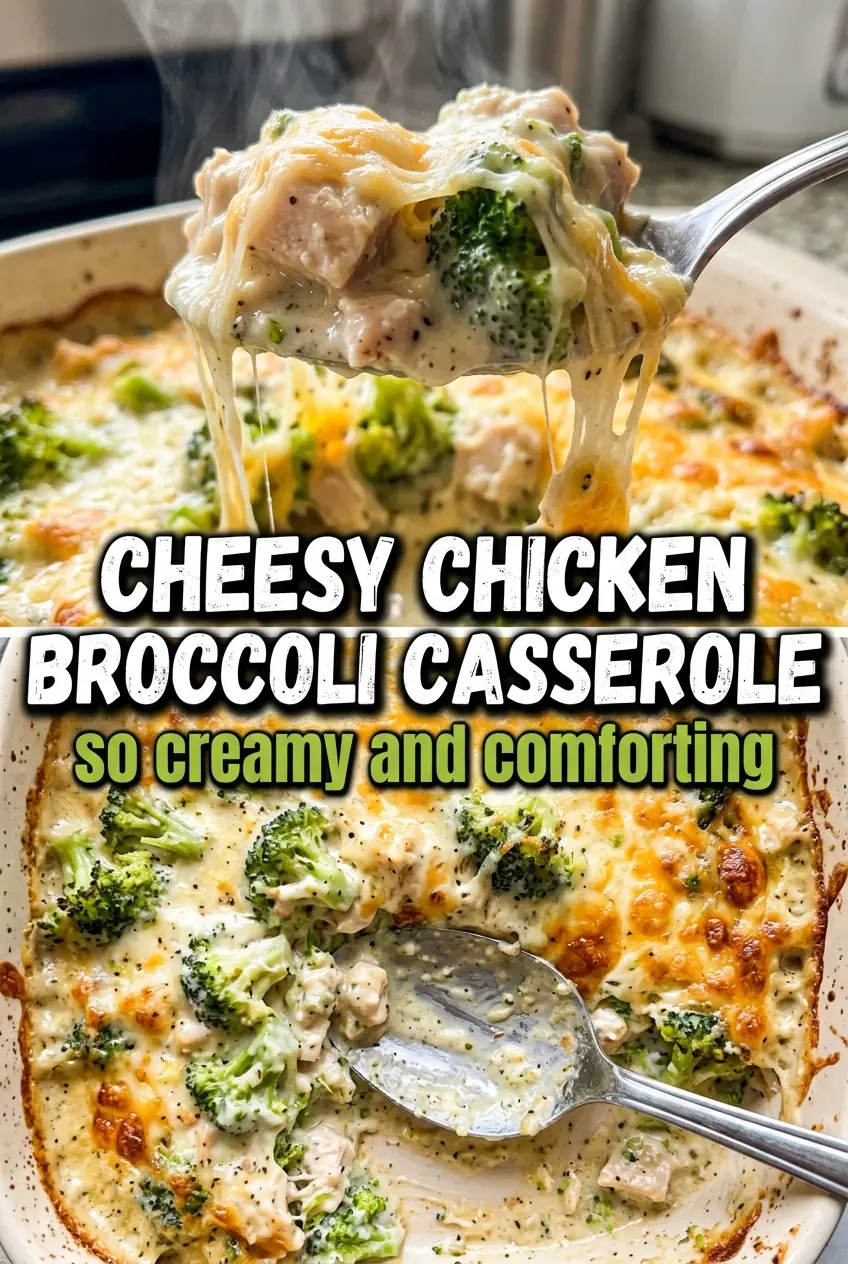
Chicken Broccoli Casserole
Ingredients
Equipment
Method
- Preheat the oven to 375°F and grease a 9x13-inch baking dish.
- Combine the shredded chicken, steamed broccoli, cream of chicken soup, mayonnaise, sour cream, cheddar cheese, salt, and pepper in a large bowl.
- Spread the mixture evenly into the prepared baking dish.
- Combine the crushed crackers with melted butter, then sprinkle evenly over the top.
- Bake for 25–30 minutes at 375°F, until golden and bubbly.
- Let rest for 5 minutes before serving.